
Storing your tyres at home? Store them right
How should tyres actually be stored, so that they keep working for as long as possible?
Wash the tyres! Use nothing but soap and warm water.
What shortens a tyre's life the most is sealing all the heavy metals from brakes and road grime into a damp plastic bag.
Preparation
You will need a few things for the cleaning. Use whatever you are comfortable with, but we recommend:
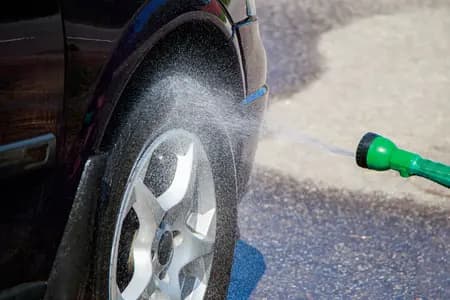
- A pressure washer or a garden hose.
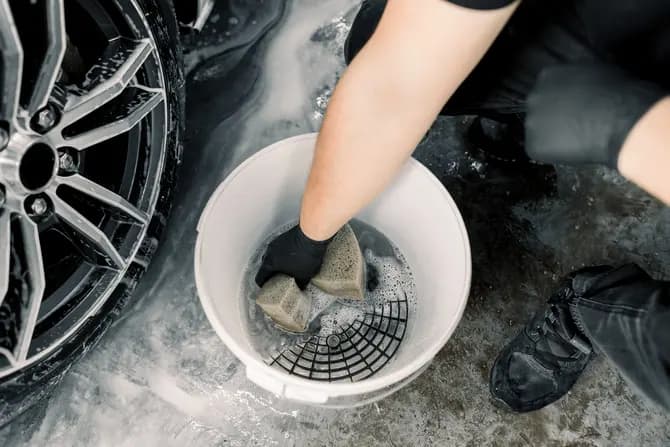
- A soft brush or sponge.
- A bucket of water and a mild detergent. There are products made specifically for cleaning rims and tyres.
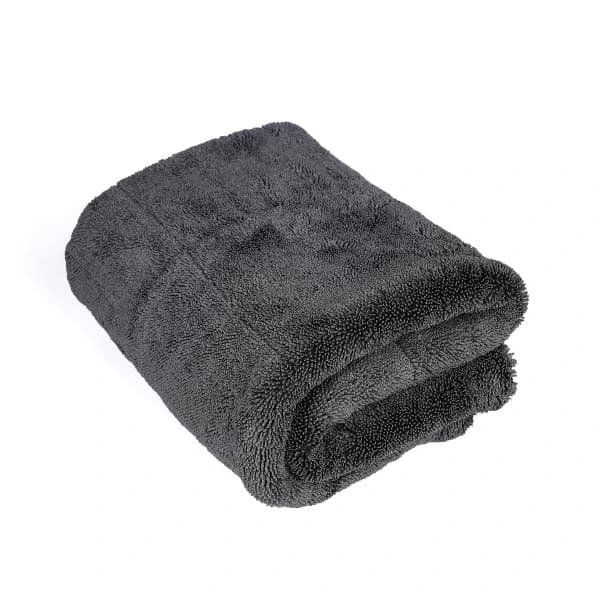
- A microfibre cloth or drying towel.

Wash and dry the tyres
- Rinse the tyres with a pressure washer or a hose to remove loose dirt and grit.
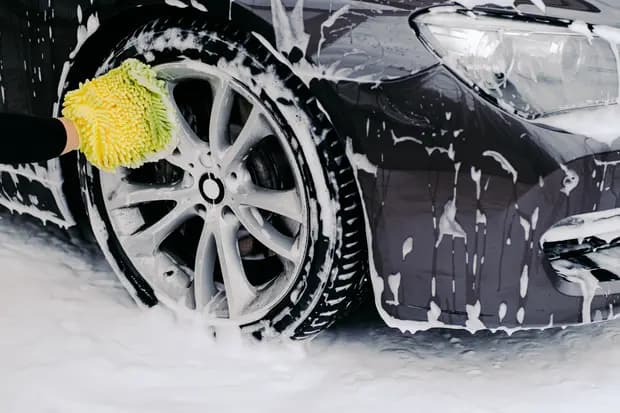
- Use a soft brush or sponge to scrub the tyre thoroughly with soapy water. Make sure to clean every surface.
- Rinse the tyre properly with clean water to remove all soap residue.
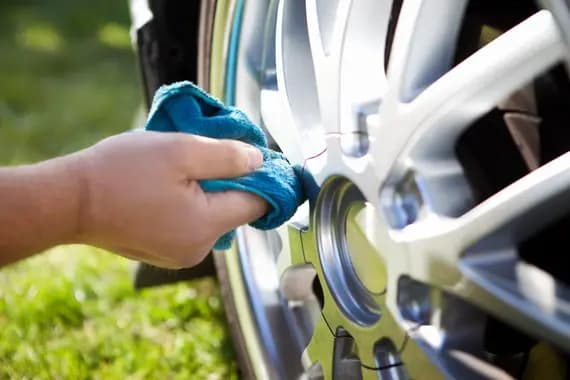
- Dry the tyre or let it air-dry. Wiping the rim with a soft cloth avoids water marks.
Check the condition of the tyre
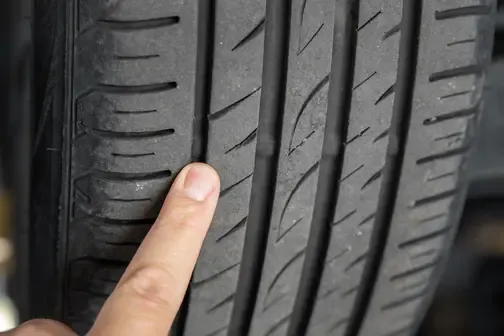
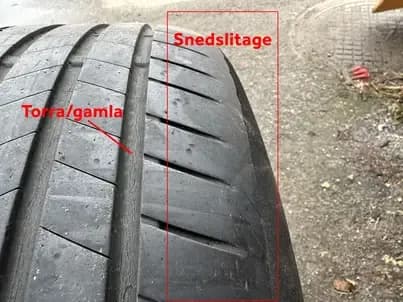
This is the perfect moment to look the tyres over for damage. Every tyre has a built-in indicator marking the legal limit: 1.6 mm on summer tyres and 3 mm on winter tyres. It is wise to replace a tyre a little before it is level with that indicator.
Look for damage such as cracks, cuts or bulges too. If you see anything out of the ordinary it may need a closer look, a repair or a replacement. We are happy to assess it if you email us a photo or drop by one of Däckgruppen's workshops with the tyre or wheel.
Prepare the storage
Pick a dry, cool place to store them, ideally somewhere dark to avoid direct sunlight and swings in temperature.
The other criteria worth checking are:
- Humidity and temperature: the storage space (or your tyre hotel) should not be too damp. Condensation must not be able to form on the tyre surface, as that degrades the rubber, and an average temperature around +15 °C is ideal.
- Ozone, light and oxygen: electrical equipment, or anything else that could generate sparks, must not be kept in the same space as the tyres. Nor may there be any risk of mechanisms in the space causing an electrical discharge or generating ozone.
- Oils, greases and solvents are substances your tyres must be kept away from, as they can damage the tyre material.
- Storage and handling: tyres should be kept in tyre bags, and must not sit under heavy pressure or be twisted while stored. Strain like that can deform them and make them brittle.
- Short-term storage: if you only need storage for a limited time, tyres should either hang or be stacked on something like a pallet, in stacks no higher than 1.2 metres. Rotating them once a month is preferable.
- Long-term storage: winter or summer tyres stored for a longer period should stand vertically on shelves at least 10 cm off the floor, or hang. Check their pressure at regular intervals and rotate them once a month.